Germany's onshore wind boom faces logistical hurdles as turbine orders surge
By Danny Callaghan and Jesus Calero
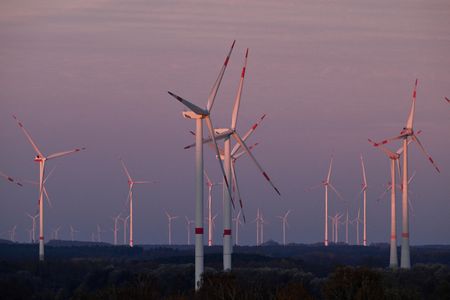
Nov 6 (Reuters) - Germany's onshore wind turbine makers have the orders and factory capacity for a construction boom, but the country's roads and transport rules risk holding up the machines needed to power it, company executives told Reuters.
Nordex CEO Jose Luis Blanco warned that restrictions on moving oversized equipment could delay Germany's wind power expansion even if the roadworks disrupting motorways were cleared.
After years of slow approvals, Germany authorised a record 20.8 gigawatts of onshore wind projects in 2025, almost four times the country's installed capacity.
Berlin, which wants renewables to supply 80% of Germany's electricity consumption by 2030, has proposed auctioning 15 GW of onshore wind capacity in both 2027 and 2028, up from around 10 GW this year.
Privately owned turbine manufacturer Enercon expects Germany's turbine installations to reach 10-11 GW in 2028, roughly double last year's level.
Enercon, Nordex and Denmark's Vestas supplied 97% of Germany's newly installed onshore wind capacity in the first nine months of 2026, and they are preparing for the upcoming rush.
Nordex said its planned German installations for 2027 were already covered by orders, with a "good portion" of 2028 also booked.
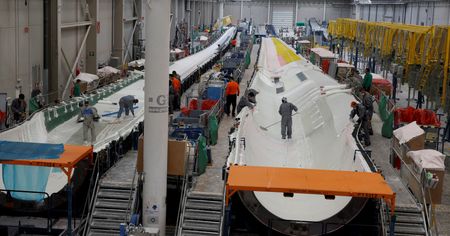
Its plants supplying nacelles, a critical component of wind turbines, to Germany operate at around 60% of the nominal capacity. Jefferies analyst Constantin Hesse said that spare capacity was normal for turbine manufacturers serving several markets as they adapt to regional demand swings and lumpy project schedules.
Blanco said Nordex had room to produce components for another 2 GW without building new factories. But the journey from factory to wind farm is proving harder.
ROCKY ROADS TO WIND FARMS
In the southeastern state of Bavaria, local authorities banned roadside parking through two villages in September to allow trucks carrying 86-metre turbine blades to negotiate bends, with the blades raised upright and travelling at just 5-10 km (3-6 miles) per hour.
Developer Wust Wind & Sonne needed 10 oversized deliveries for each of its three turbines. The crane alone arrived in roughly 65 truckloads.
"You need to have the number of trucks, you need to get the transport permits early. That's a real bottleneck in Germany," Enercon executive Benjamin Seifert told Reuters.
Blanco said Nordex was installing fewer turbines in Germany than planned because some sites were not ready and transport permits were arriving too slowly. Its worldwide installations fell 22% in the third quarter, partly owing to delayed permits in its home market.
The problem runs deeper than roadworks. Restrictions on when oversized vehicles can use motorways would limit deliveries even with the roads clear, Blanco said.
"We are struggling today with volumes that are potentially half of the volumes that need to be there the day after tomorrow," he said, warning that those issues had to be tackled soon or the industry would be substantially delayed in delivering on the government's targets.
Nordex is discussing extending transport hours and alternative routes including waterways with authorities.
STAFFING QUESTIONS AND GRID DELAYS
Beyond the roads, both Nordex and Enercon said Germany's industrial layoffs had made recruiting skilled workers such as engineers easier, but finding on-site construction crews remained more difficult.
Enercon also warned there were few suppliers of specialised towers for increasingly tall turbines — and getting a turbine erected was not the end of the wait.
Late grid connections and a shortage of substation contractors could leave completed turbines idle for months, Seifert said. Enercon would install them regardless, maintaining them until electricity could flow.
"We will not shift installation because of missing grid."
(Reporting by Danny Callaghan and Jesus Calero in Gdansk, editing by Milla Nissi-Prussak)
Find it fast
Looking for more insights? Explore our other news sections for updates on sustainable finance, companies and financial education