Bank of England's Pill sees risk of 'insidious' build-up of inflation pressures
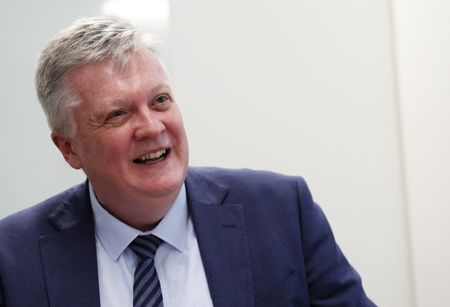
LONDON, July 31 (Reuters) - Bank of England Chief Economist Huw Pill said on Friday that there was a risk of a gradual build-up of long-term inflation pressures in Britain's economy caused by the jump in energy prices triggered by the Iran war.
Pill, who on Thursday opposed the BoE's 6-3 majority decision to keep interest rates on hold, said it was good news that the surge in energy prices had not led to a "substantial deanchoring" of public trust in the BoE's 2% inflation target.
However, he warned it would not be possible to tell until later in the year if "more slow-moving but maybe more insidious second-round effects" were developing as businesses and workers sought to recoup inflation-driven losses.
Governor Andrew Bailey told a press conference on Thursday that the BoE was not edging towards a rate rise, despite support for keeping rates on hold falling to 6-3 from 7-2 in June after Catherine Mann joined Pill and Megan Greene in voting for a quarter point rate rise.
Financial market pricing which points to a rate rise later this year reflected the risk of a further escalation of inflation pressures from the U.S.-Iran war, rather than a view that the BoE needed to raise rates to control existing inflation pressures, he said.
Most economists polled by Reuters do not expect the BoE to raise rates.
Deputy Governor Clare Lombardelli, who some economists thought might also back a hike, said on Thursday that her decision to keep rates on hold had not been a hard one.
Pill said he regarded Bailey's willingness to talk about the rate outlook as "quite telling in itself".
Lombardelli's comment also "helps to put a bit of a firebreak in thoughts that the MPC might be shifting in towards a rate increase in the next meeting or shortly", he added.
(Reporting by David Milliken and William Schomberg; editing by Suban Abdulla)
Find it fast
Looking for more insights? Explore our other news sections for updates on sustainable finance, companies and financial education