UK's John Lewis is confident Christmas will deliver annual profit
By Sarah Young
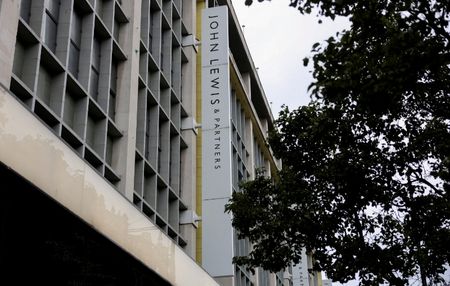
LONDON, Sept 10 (Reuters) - John Lewis Partnership said it was confident it would make an annual profit as it gears up for crucial Christmas trading, despite sinking to a deeper first-half loss as shoppers shunned big-ticket purchases in tough conditions on the high street. While the British retailer said it was still cautious, it expects business to pick-up for the peak trading period, the six months to January when it tends to make all of its profit.
"Even if (the market) was to be subdued, we're still very well placed to make profit in the second half," chairman Jason Tarry told reporters on Thursday. "I'm confident we'll be able to make profit across the full year."
Last year, the partnership made an annual profit of £134 million.
CAUTION ON BIGGER TICKET ITEMS
John Lewis, the UK's largest employee-owned business which runs John Lewis department stores and the upmarket Waitrose supermarket chain, is two years into Tarry's plan to revive profitability.
For the six months to August 1, it made a loss before tax and exceptional items of £89 million, compared to a loss of £34 million for the same period in 2025. Sales grew 2% to £6.3 billion.
The period included a rise in fuel prices triggered by the start of the Iran War in February, denting consumer confidence, while inflation worries have extinguished hopes for interest rate cuts and made rises more likely.
"It is really tough out there," CFO Andy Mounsey said.
"We can certainly see that our customers are cautious. They're holding back on some of the bigger ticket items."
Under Tarry, John Lewis is investing £600 million over four years into refurbishing stores and improving the group's website, technology and supply chains.
It recently established a studio at its flagship London store to help grow its social media content, and is in the process of revamping its cafes.
(Reporting by Sarah Young, editing by Paul Sandle)
Find it fast
Looking for more insights? Explore our other news sections for updates on sustainable finance, companies and financial education