Rheinmetall cuts outlook after frigate setback but sticks to naval goals
By Miranda Murray and Matthias Inverardi
BERLIN, Aug 6 (Reuters) - German defence company Rheinmetall cut its 2026 sales outlook on Thursday but stood by its long-term naval ambitions after the German government scrapped a delayed frigate programme that the company had been widely expected to win.
Rheinmetall now expects sales in the range of €13.7 billion to €14.2 billion ($15.8 billion to $16.4 billion), down from €14.0 billion to €14.5 billion previously, reflecting a €300 million hit to its naval division.
Its shares were down about 5.5% at 1422 GMT.
CONFIDENT ABOUT STRATEGY
Rheinmetall has seen its fortunes soar with Europe's renewed interest in building up its defences after Russia invaded Ukraine in February 2022, with Europe's largest ammunition maker targeting annual sales of up to €50 billion by 2030.
That momentum suffered a setback in June when Berlin scrapped its F126 programme.
While acknowledging Rheinmetall could not fully offset the loss in the short term, Chief Executive Armin Papperger said on Thursday that the company remained committed to its naval strategy.
He added that Rheinmetall expected to replace the business over time through domestic and international programmes.
JPMorgan analysts said they had expected the cancelled frigate programme to have made more of an impact beyond 2026.
STICKING WITH NAVAL REVENUE TARGET
The company completed the acquisition in March of the warship division of German shipbuilder Luerssen as part of its ambitions to become a bigger player in the naval sector.
It has also been considering acquiring German Naval Yards Kiel and promised to reach a final decision within weeks after a rival bidder withdrew from the process last month.
Rheinmetall's naval division has already secured orders from Romania, reporting total order intake of around €1 billion in the first half of the year.
Papperger stuck with a target of reaching €5 billion in annual naval revenue by 2030.
BEYOND THE SEA
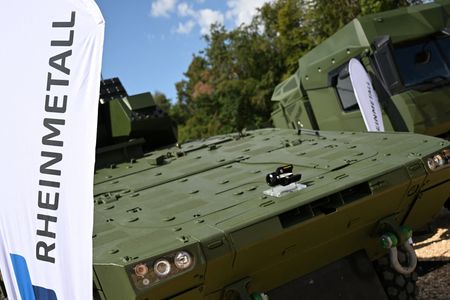
Beyond the naval business, Papperger pointed to several major land systems opportunities, including the Boxer wheeled armoured vehicle programme.
He said Rheinmetall expected a decision from Germany by year-end and viewed a €12.4 billion vehicle contract and a roughly €2 billion service agreement as effectively certain.
Papperger stressed that the Boxer programme should not be compared with the F126 project, arguing that the latter was derailed by liability issues rather than funding constraints.
Rheinmetall had reported a nearly 70% jump in second-quarter sales to about €3.3 billion, with all business segments contributing to the rise, in an unscheduled release last month.
($1 = 0.8663 euros)
(Reporting by Miranda Murray; editing by Linda Pasquini, Emelia Sithole-Matarise, Elaine Hardcastle)
Find it fast
Looking for more insights? Explore our other news sections for updates on sustainable finance, companies and financial education