Oil prices set for third straight weekly decline on strong Middle East export flows
By Anna Hirtenstein
LONDON, Nov 20 (Reuters) - Oil prices fell on Friday and were set for a weekly decline on strong exports from the Middle East despite Houthi attacks on Saudi Arabia's capital Riyadh and reports of tanker disruptions in the Strait of Hormuz.
Brent crude futures were down 67 cents, or 0.7%, at $91.31 a barrel at 1414 GMT. US West Texas Intermediate futures for December were down 36 cents, or 0.4%, at $82.85 a barrel, while the more active January contract was down 19 cents, or 0.2%, at $82.85.
Brent is on track for a near 5% decline for the week and the December WTI contract for a 6.5% weekly drop as expectations of a supply surplus grew because crude shipments through the Strait of Hormuz have returned to roughly pre-war levels. This would be the benchmarks' third straight week of decline.
"This week we keep having relatively strong export flows out of the Middle East. There is also a narrative ongoing that as long as people are talking, maybe there's a deal in the making," said Aldo Spanjer, commodity strategist at BNP Paribas.
"The prices are correct if you believe that this geopolitical risk doesn't come back. I'm not in that camp who thinks this is done ... I probably see a rebound," he said.
On Friday, the Iran-aligned Houthi movement warned workers and people near Saudi Arabia's Red Sea ports to evacuate immediately and urged shipping companies to remove vessels, saying they would target Saudi ports in Jeddah and the Red Sea if a Saudi-led coalition strikes Yemen's Hodeidah port. The Houthis fired missiles at Riyadh on Thursday.
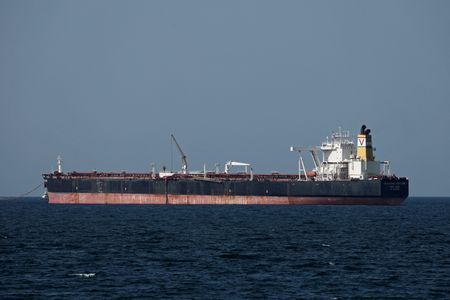
Two oil tankers also hit naval mines in the Strait of Hormuz and "are burning," Iran's Revolutionary Guards Navy said in a statement carried by state media on Thursday.
Iran's intensifying attacks on tankers transiting the Strait of Hormuz, "running at roughly one incident per day in November," still add a meaningful geopolitical risk premium to the market, according to UOB Group analysts in a client note.
OPEC+ ministers will hold a series of meetings on November 29 to decide their 2027 output policy. The group comprises the Organization of the Petroleum Exporting Countries and allies such as Russia.
The Middle East conflict has caused the biggest disruption ever to global oil and gas trade and could cut world oil demand by more than 4% by 2035 if governments accelerate electrification, efficiency and fuel-switching measures in response, the International Energy Agency said on Thursday.
However, some analysts expect softness in the broader equities markets to weigh on oil prices, as Asian shares fell on Friday — heading for their worst week since 2020. [MKTS/GLOB]
"Supply disruptions remain a risk, but near-term demand concerns tied to the AI trade unwind and broader risk-off sentiment are weighing on prices," said Saxo analysts in a note.
In Russia, crude oil output could fall again as Ukrainian attacks on refineries and export infrastructure intensify, analysts and traders say. Ukrainian drone attacks have cut Russian oil refineries' combined crude processing volumes by 45% since late October, Reuters reported on Wednesday.
(Reporting by Anna Hirtenstein in London. Additional reporting by Enes Tunagur in London, Yuka Obayashi in Tokyo and Trixie Yap in Singapore; Editing by Xevi Fontdegloria, Mark Potter and Louise Heavens)
Find it fast
Looking for more insights? Explore our other news sections for updates on sustainable finance, companies and financial education