Oil prices in limbo between higher US crude stocks and supply risks
By Shadia Nasralla
LONDON, Nov 18 (Reuters) - Oil prices were stable on Wednesday with an increase in US crude and fuel inventories countering the effects pf ongoing US-Iran fighting and attacks on vessels in the Strait of Hormuz.
Brent crude futures lost 4 cents to $93.10 a barrel by 1310 GMT. US West Texas Intermediate futures were down 47 cents, or 0.6%, at $85.54 after hitting their lowest since late August.
Both contracts are on track for declines of about 20% this month on rising exports from the Middle East, underlined by plummeting shipping rates.
The prompt Brent/WTI spread on Tuesday was at a two-week high, LSEG data showed, and WTI was logging steeper declines during trading on Wednesday.
"WTI arbitrage trades have been shut to Asia and North West Europe, thus WTI correcting more than Brent is the expected price movement to allow the arbitrage window to open again," said June Goh at Sparta Commodities.
This is particularly so with crude stocks building on the US Gulf Coast, Goh added.
US crude stocks rose by 5.28 million barrels in the week to November 13, market sources said on Tuesday, citing data from the American Petroleum Institute. Gasoline stocks rose by 5.12 million barrels and distillate inventories by 351,000 barrels.
US government stockpiles data from the Energy Information Administration is due at 1530 GMT. [EIA/S]
But continued US-Iran conflict and ongoing risks to shipping through the Strait of Hormuz kept price declines in check.
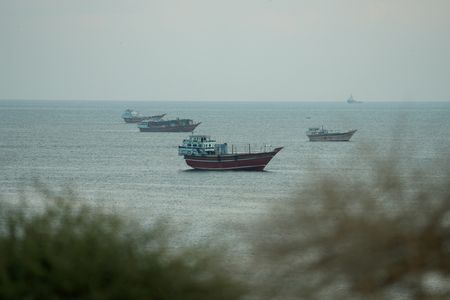
Iran said it had attacked US drone and missile sites in Kuwait overnight after the United States struck Qeshm Island in the Strait of Hormuz. It was Tehran's first attack on the US-allied Gulf state since September. Bahrain, home of the US Navy's Fifth Fleet, said it intercepted Iranian attacks.
Both oil benchmarks had settled higher on Tuesday as attacks on ships in the Middle East intensified, even as talks continued between Iran and mediators Oman and Qatar.
The United Arab Emirates' ADNOC L&S said on Wednesday that one crew member was missing and 11 injured after one of its vessels was attacked in the Strait of Hormuz on Tuesday.
An LPG tanker was also struck by a projectile off the coast of Oman on Monday, leading its crew to evacuate the ship.
"Although regional supply may continue to recover through alternative routes, the latest vessel data suggests that normalisation of flows through Hormuz is still not possible under current conditions," LSEG analysts said on Tuesday.
Yemen's Iran-aligned Houthis said on Tuesday that they had launched five drones towards two pumping stations along Saudi Arabia's East-West pipeline, which it has used to bypass the Strait of Hormuz.
Saudi Arabia is preparing for war against Yemen's Houthis to stretch well into next year, said two Western officials briefed by Saudis on the plans.
(Reporting by Shadia NasrallaAdditional reporting by Jeslyn Lerh in Singapore and Colleen Howe in BeijingEditing by David Goodman)
Find it fast
Looking for more insights? Explore our other news sections for updates on sustainable finance, companies and financial education