December rate hike may not be enough but not in a rush to move again: ECB's Simkus
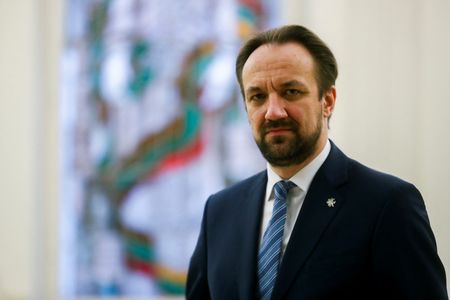
By Balazs Koranyi
VIENNA, Nov 23 (Reuters) - A European Central Bank rate hike next month may not be enough to fully contain inflation but a follow-up move is not urgent given that worrisome second-round effects are building only gradually, Lithuanian policymaker Gediminas Simkus said.
The ECB has raised interest rates twice this year as high energy costs have pushed inflation far above its 2% target, and a third move on Dec 17 is all but certain, leaving policymakers and ECB watchers debating the rate path beyond, when a new ECB president takes over from Christine Lagarde.
"I am not convinced that a 25-basis-point rate hike in December will be sufficient to fully control inflation," Simkus told Reuters. "How much more we will have to do depends also a great deal on the outcome of wage negotiations."
Wage growth has been surprisingly modest this year but the ECB's own wage tracker has started to move up slightly, as inflation rose to 4% and energy price have stayed high far longer than many have predicted.
While some economists say that the labour market is softer than in recent years and that is preventing high inflation from seeping into wages, Simkus warned that unemployment is still quite low and it was only natural for labour unions to demand compensation for lost real incomes.
Financial markets now see the December rate hike as a done deal and expect one or two rate hikes in 2027, with the first of these fully priced in only by June.
SECOND-ROUND EFFECTS COMING
Simkus also noted that long-feared second-round effects from inflation, absent from data so far, are still likely to come and it was normal to see such a lag given that the inflation surge was caused by an energy shock, rather than excess demand.
"There are plenty of early warning signs already that second-round effects are coming," Simkus said. "We see this in the consumer expectations surveys, we see it in corporate surveys, and we hear it in companies' pricing plans."
High petrol and natural gas prices will also continue to feed through to prices, he added.
Another issues is that food, fuel and utility costs, most closely watched by households, are all under pressure now and this could have an oversized impact on consumer expectations, Simkus said.
Low natural gas storage levels going into the winter are another risk, which could put upward pressure on energy costs, he added.
Still these are rather slow-moving forces, so the ECB can take its time, staying on course for a measured pace of rate hikes.
"I do not think there is major pressure to act quickly again after December," Simkus said. "However, if inflationary pressures remain persistent, further tightening still might be needed next year."
(Reporting by Balazs Koranyi, Editing by William Maclean)
Find it fast
Looking for more insights? Explore our other news sections for updates on sustainable finance, companies and financial education