Australia central bank outlines policy tools for times of crisis
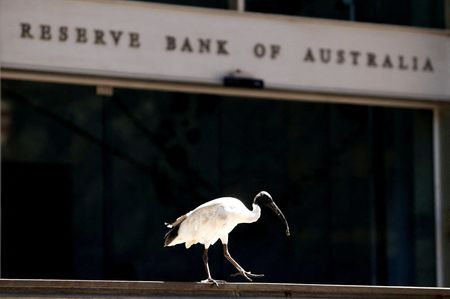
SYDNEY, June 29 (Reuters) - Australia's central bank on Monday outlined what policy steps it would likely choose from should the country be hit by a financial or economic crisis that sends interest rates to near zero again, as happened during the COVID-19 pandemic.
Outlining the new framework in a speech, Reserve Bank of Australia (RBA) Assistant Governor Christopher Kent said the main tools were term lending facilities, government bond purchase programs, forward guidance with commitment, negative interest rate policy, term rate targets and foreign exchange asset purchases.
The policies actually used would depend on the nature, persistence and severity of the shock and the economic and financial environment, he added.
Term lending facilities, such as to banks, and buying government bonds were likely to be more effective across a range of situations, Kent said.
Forward guidance with a commitment on keeping rates low, along with negative interest rates, were generally suited to more severe shocks given their effectiveness was uncertain.
Targets for bond yields and foreign exchange purchases remained part of the toolkit but were best reserved for exceptional circumstances, as they were generally less effective and carry significant risks, Kent said.
The framework follows months of discussions within the central bank and takes into account its experience of the COVID-19 pandemic when interest rates were slashed to record lows of 0.10% as part of a radical stimulus programme.
The RBA also bought hundreds of billions of dollars of Australian government debt to inject liquidity into markets and committed to keeping three-year bond yields at low levels to stimulate borrowing.
The bond-buying campaign saddled the central bank with large paper losses on the debt, while the yield curve control project had to be abandoned abruptly in late 2021 causing losses for some investors and damaging the RBA's credibility.
Interest rates are currently at 4.35% having been lifted three times this year as policymakers fight to control stubborn inflationary pressures.
(Reporting by Wayne Cole; Editing by Lincoln Feast.)
Find it fast
Looking for more insights? Explore our other news sections for updates on sustainable finance, companies and financial education