Dollar eases as markets await Fed decision
By Saqib Iqbal Ahmed
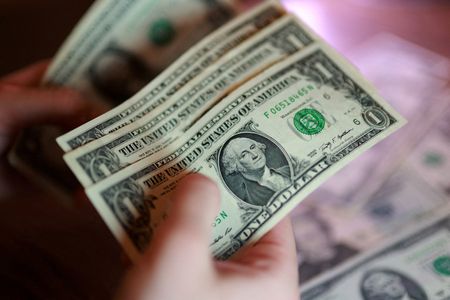
NEW YORK, July 28 (Reuters) - The U.S. dollar slipped but remained near a one-month high on Tuesday, as traders weighed the prospect of a Federal Reserve interest-rate hike this week, even as falling oil prices eased some inflation concerns.
The dollar index, which measures the greenback against a basket of currencies including the yen and the euro, was 0.2% lower at 101.35, not far from the 101.80 high touched in late June. The euro was up 0.2% to $1.1393, while sterling rose 0.1% to $1.3288. Against the Japanese yen, the dollar was about flat on the day at 163.77 yen.
The dollar's resilience reflects a sharp repricing of Fed expectations in recent months. Treasury yields have climbed steadily since April as the U.S.-Iran conflict stoked concerns about inflation and a hawkish debut from Fed Chair Kevin Warsh reinforced expectations of higher interest rates.
"Traders are taking steps to preserve liquidity and adding to dollar longs ahead of tomorrow's decision," said Karl Schamotta, chief market strategist at Corpay in Toronto.
"On the face of it, the setup seems bullish for the dollar either way: an outright hike would deliver an unequivocal boost, while a hawkish hold would simply push expectations into September," Schamotta said.
He warned, however, that speculative positioning in favor of the dollar was stretched and that any hint of a more dovish approach from policymakers could trigger a violent unwind.
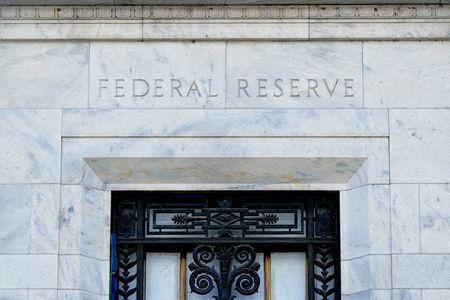
The Fed concludes its two-day policy meeting on Wednesday, with some major brokerages warning that policymakers could raise rates, given this month's surge in oil prices.
While oil prices have retreated after the U.S. paused attacks on Iran and President Donald Trump hailed "good talks" with Iran, yields remain near their multi-month highs.
Investors raised long dollar positions while increasing short sterling bets in the week ended July 24, according to Morgan Stanley options pricing data.
Markets are pricing a nearly 40% chance of a 25-basis-point rate increase on Wednesday, up from about 20% a week ago, according to LSEG data. Traders see almost a 95% probability of a hike by September.
PACKED CENTRAL BANK WEEK
Both the Bank of England and the Bank of Japan are widely expected to keep interest rates unchanged at their meetings on Thursday and Friday, respectively, and caution against rising inflation.
Traders have been on intervention watch as the yen's relentless decline drove it to a fresh 40-year low.
The BOJ is expected to keep the prospect of further rate hikes alive to support the currency, though policymakers are likely to remain vague on the timing and pace of any tightening.
"Traders are playing a high-stakes game of chicken with the Ministry of Finance as the yen approaches yet another psychological threshold," Schamotta said.
Tokyo stepped into the market in April and May as the yen breached 160 per dollar, though the moves did little to alter its broader decline.
In a Reuters NEXT Newsmaker interview on Tuesday, Japanese Finance Minister Satsuki Katayama reiterated that Tokyo's stance of responding to currency moves as needed was unchanged, adding that she believed Washington shared that view.
In cryptocurrencies, bitcoin fell 2% to $63,493.
(Reporting by Saqib Iqbal Ahmed in New York; Additional reporting by Medha Singh in Bengaluru and Satoshi Sugiyama in Tokyo; Editing by Amanda Cooper, Saumyadeb Chakrabarty, Arun Koyyur and Andrea Ricci)
Find it fast
Looking for more insights? Explore our other news sections for updates on sustainable finance, companies and financial education