Novo Nordisk to license GLP-1 drug from China's Hengrui in $2.6 billion deal
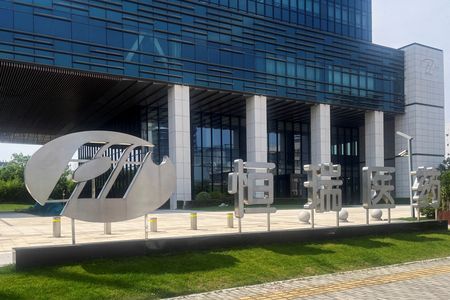
Sept 29 (Reuters) - Novo Nordisk will pay up to $2.6 billion to Jiangsu Hengrui Pharmaceuticals for the rights to an experimental anti-obesity pill, expanding its pipeline through a second GLP-1 treatment deal with a Chinese partner.
The deal helps Novo shore up its weight-loss business as it battles competition from rivals such as Eli Lilly and faces several patent expiries in the next decade. Its shares have tumbled more than 70% from their record highs in the face of stiff competition from Lilly, Reuters reported earlier this month.
Analysts expect the weight-loss market to generate annual sales of about $100 billion globally in the next decade.
Novo is preparing for a market in which pills play a much larger role, Novo's chief executive Mike Doustdar told Reuters earlier this month.
Hengrui's HRS-1596 is approved in China to initiate Phase-I clinical trials for weight management and type 2 diabetes.
Existing products include Novo's once-daily pill Wegovy and Lilly's once-daily Foundayo, also belonging to the GLP-1 class of drugs that mimic a gut hormone to curb appetite and regulate blood sugar in patients with diabetes.
The Novo deal makes Hengrui eligible for development-, regulatory- and commercial-related milestone payments of up to $2.3 billion, plus a $300 million upfront payment, the Chinese drugmaker told the Hong Kong stock exchange in a filing on Tuesday.
Novo will gain development, manufacturing and commercialisation rights to HRS-1596 outside Taiwan, Macao, Hong Kong and mainland China.
Hengrui shares in Hong Kong were up about 2% after the announcement.
In a statement, Novo said HRS-1596 had potential for development as an oral drug administered once a week, which would "substantially reduce dosing frequency and improve convenience compared with current offerings."
A spokesperson for Novo told Reuters in an additional statement that it would plan global trials with the asset, but declined to provide timelines.
Almost 250 Chinese GLP-1 candidates are under development, according to data provider Pharmcube.
Other major global pharmaceutical companies including AstraZeneca, Merck and Pfizer have similarly licensed rights to GLP-1 assets from Chinese developers.
A trial for the jointly developed UBT251 obesity drug candidate of Novo and United Laboratories International resulted in a mean weight loss of up to 19.7% after 24 weeks.
Lilly did not immediately respond to a request for comment on whether it had licensed GLP-1 assets from China.
(Reporting by Andrew Silver in Shanghai, with additional reporting from Shivangi Lahiri in Bengaluru; Editing by Harikrishnan Nair, Clarence Fernandez and Muralikumar Anantharaman)
Find it fast
Looking for more insights? Explore our other news sections for updates on sustainable finance, companies and financial education