Trading Day: Can't get no relief
By Jamie McGeever
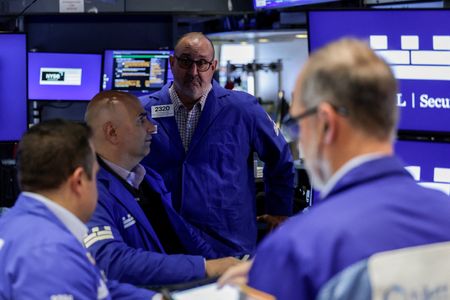
ORLANDO, Florida, Aug 20 (Reuters) - That didn't last long. U.S. bond yields rose on Thursday, retracing much of the previous day's decline on Treasury's surprise buyback announcement and pushing Wall Street to a two-week low. Another rise in oil prices, and a rare sales miss from retail giant Walmart also weighed heavily on stocks.
In my column today, I argue that the minutes of the Fed's last meeting suggest a September rate hike is still very much on the table. When you consider recent energy price moves, especially diesel, the 35% probability rate markets are currently putting on a hike next month may be on the low side.
If you have more time to read, here are a few articles I recommend to help you make sense of what happened in markets today.
1. Treasury's upsized buybacks may complicate Fed's monetary policy work
2. U.S. relies on tactics, not strategy, to calm angry bonds: Mike Dolan
3. U.S. debt crosses $40 trillion threshold after doubling under Trump and Biden
4. The Iran war energy crisis is just getting started: Bousso
5. The new kingmakers: Crypto, AI and betting firms fuel record spending on the 2026 midterms
Today's Key Market Moves
• STOCKS: South Korea +6%, Japan +1%. Europe and UK little-changed. Wall Street in the red — S&P 500 sheds 0.9%, Nasdaq down 1%, Dow off 1.3%.
• SECTORS/SHARES: Nine sectors on the S&P 500 fall, two rise. Consumer staples -2%, discretionaries -1.7%; energy +0.4%. Walmart -9%, biggest fall in four years; Moderna -24%.
• FX: Dollar index ends flat, but not before making new 3-month low and euro trading above $1.17 for first time since May. JPY biggest G10 decliner. Bitcoin +5%, up 15% this week.
• BONDS: 10-year Treasury above 4.70%, higher than pre-buyback announcement. 30-year yield +5 bps. Auction of 30-year TIPS draws strongest demand since December 2020, with bid/cover ratio of 2.82.
• COMMODITIES/METALS: Oil +2% to 4-week high, now +20% in last two weeks and almost 40% year-on-year.
Today's Talking Points:
"Free" markets
The merits, or otherwise, of a bigger state footprint in markets is worth debating. Treasury Secretary Scott Bessent is an ardent believer that the price of financial assets should be determined by private sector buyers and sellers, with no state interference, right? Well, maybe. His surprise decision to increase long bond buybacks, and justification for it, raise questions around that assumption.
Bessent's bond market intervention follows his even more surprising foray into the FX market recently to support Japan's yen. Meanwhile, the Trump administration has bought stakes in companies, ordered the purchase of $200 billion of mortgage-backed securities, tried to ban defense firms from buying back shares unless they speed up production, and called for a one-year cap on all credit card interest rates. "Laissez-faire" or "less fair"?
Credibility
This raises the wider question of policy consistency and credibility. Bessent's forays into the bond and currency markets appear designed to halt the rise in long-term market borrowing costs. Which is fine, but they are unlikely to have any durable effect if they're not part of a strategy to address the fundamentals forcing yields higher in the first place. Especially when Fed Chair Kevin Warsh has said bond yields are a useful guide for policymakers.
According to Bessent, the long end of the Treasuries curve doesn't reflect the "underlying fundamentals." But what are the fundamentals, if not five years of above-target inflation, near-record deficits excluding crisis and world wars, and the federal debt double what it was a decade ago and now above $40 trillion for the first time? The recent surge in the term premium, towards its highest level in over a decade, suggests Warsh and Bessent have some convincing to do.
Japan inflation
Japan's CPI inflation data is released on Friday, with consensus forecasts pointing to an acceleration in the annual core rate to 1.8% in July from 1.6% in June. That's still below the BOJ's 2% target, but the worry for policymakers will be potential pass through from producer prices — annual PPI inflation has shot up to over 7% from just 2% in February.
As Japan imports almost all its energy, this threat is not new, although the recent resurgence in oil prices — now up nearly 40% year-on-year — will be particularly unwelcome. Traders are putting a one-in-three chance of a BOJ hike in September, similar to the Fed, and have almost 100 bps of tightening priced by the end of next year. Given where the yen and long JGB yields are, is that about right?
What could move markets tomorrow?
• PMIs — U.S., UK, euro zone, Japan (August, flash estimates)
• Australia unemployment (July)
• Japan CPI inflation (July)
• UK retail sales (July)
• Canada retail sales (July)
Want to receive Trading Day in your inbox every weekday morning? Sign up for my newsletter here. Opinions expressed are those of the author. They do not reflect the views of Reuters News, which, under the Trust Principles, is committed to integrity, independence, and freedom from bias.
(Reporting by Jamie McGeever; Editing by Nia Williams)
Find it fast
Looking for more insights? Explore our other news sections for updates on sustainable finance, companies and financial education