Incoming UK budget office head sees higher interest rates and weaker growth than consensus
By William Schomberg and David Milliken
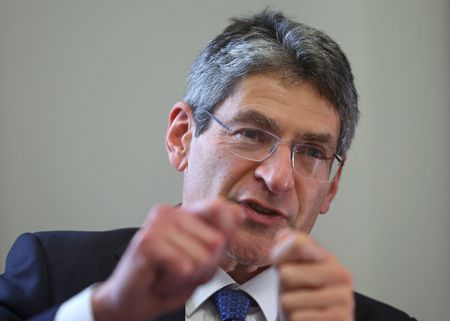
LONDON, July 15 (Reuters) - Jonathan Haskel, a former Bank of England interest rate-setter who has been nominated to head Britain's budget forecasting agency, said on Wednesday he was less optimistic than most other analysts about the outlook for the country's economy.
Britain's exposure to the jump in energy prices caused by the Iran war could cause high inflation to become embedded in the economy for several years, Haskel told lawmakers in a set of written answers.
"My forecast would be in the medium term of somewhat higher interest rates and weaker GDP growth than most are expecting," he said in his replies to questions sent to him by members of parliament's Treasury Committee.
Haskel told the committee in a public hearing Britain was "not in a very good fiscal position" after a big jump in debt as a share of economic output caused by shocks such as the COVID pandemic and the war in Ukraine and that this had increased political pressure on the OBR.
However, he also said he was hopeful that growth in artificial intelligence would help improve the country's weak productivity record.
The OBR has been criticised for being too optimistic with its productivity growth forecasts and being too slow to revise them down, but Haskel came to its defence.
"I think it right for the OBR to have been cautious," he said. "It is perhaps right for OBR to move more slowly than those being judged primarily upon their very short-run forecasts."
Bodies such as the OBR should have a high bar for changing key productivity forecasts, lest they be subject to political pressure, and problems with official data during the pandemic had reasonably made forecasters wary about a swift change to long-term forecasts, Haskel said.
However, Haskel said he remained concerned about productivity headwinds from Britain's labour market, which — unlike the BoE — he did not think had regained its pre-COVID flexibility.
Tighter employment regulation being brought in by the government was also likely to weigh on growth though the details were not yet clear enough to quantify, he added.
Haskel's nomination to chair the OBR is subject to approval by the Treasury Committee.
The organisation has been without a chair since Richard Hughes stepped down after the OBR published prematurely its Economic and Fiscal Outlook — with details of finance minister Rachel Reeves' 2025 budget — in November.
(Writing by William Schomberg; editing by David Milliken, Alexandra Hudson)
Find it fast
Looking for more insights? Explore our other news sections for updates on sustainable finance, companies and financial education