-
Markets
athexgroup.grAthens Exchange GroupWeiterlesenTogether for a unified, stronger European capital market.
-
Aktien
Sustainable finance2025 Euronext ESG Trends ReportWeiterlesenA data-driven snapshot of how Euronext-listed companies are advancing their Environmental, Social and Governance (ESG) practices.
-
Indices
Access the white paperInvesting in the future of Europe with innovative indicesWeiterlesenThe first edition of the Euronext Index Outlook series with a particular focus on the European Strategic Autonomy Index.
-
ETFs
The European market place for ETFsEuronext ETF EuropeWeiterlesenInvestors benefit from a centralised market place that will not only bring transparency but also better pricing due to the grouping of liquidity.
- Funds
-
Fixed Income
European Defence BondsGroupe BPCE lists the first bondWeiterlesenFirst financial institution in Europe to issue a bond dedicated to the defence sector
- Structured Products
-
Derivatives
Where European Government Bonds Meet the FutureFixed Income derivativesWeiterlesenTrade mini bond futures on main European government bonds
-
Rohstoffe
- Übersicht
- MATIF Kurse überblick
- Power Derivatives
- Milling Wheat derivatives
- Corn derivatives
- Spread contracts
- Rapeseed derivatives
- Durum Wheat derivatives
- Salmon derivatives
- Container Freight Futures
- Delivery & settlement
- Specifications & arrangements
- Commitments of Traders (CoT) report
- Commodity brokers
Building a sustainable and liquid power derivatives market.Euronext Nord Pool Power FuturesWeiterlesenEuronext and Nord Pool, the European power exchange, announced the launch of a dedicated Nordic and Baltic power futures market.
-
Resources
Designed to help students navigate the complexities of financial marketsEuronext Trading gameWeiterlesenJoin the Euronext Trading Game and step into capital markets. Learn from today’s leaders, explore sustainable opportunities, and trade with confidence.
Oil flows through Hormuz will take time to recover, banks say
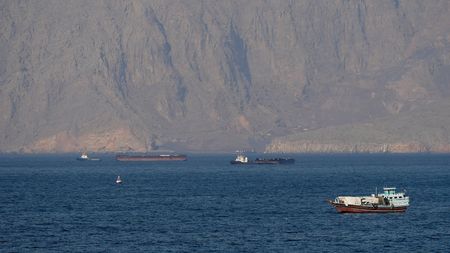
June 18 (Reuters) - A recovery in oil flows through the Strait of Hormuz and oil production following the U.S.-Iran interim peace deal will take time, potentially several months, analysts at two banks said.
Shipments through the strait, through which about a fifth of global oil supply passes, were disrupted during the Iran conflict, sending oil prices sharply higher. Brent crude rose to as much as $126 a barrel in April, a four-year high.
Goldman Sachs said it expects Middle East Gulf exports to normalise to pre-war levels by the end of July, and crude production to recover by October.
While ship availability is not a binding constraint on exports, cautiousness by shipowners could limit them, it said.
"We see shippers’ risk aversion as a potential constraint on the flows, along with Iran’s geopolitical goals over the upcoming 60-day nuclear deal negotiations," the bank said in a June 17 report.
BNP Paribas said that even in a best-case scenario it would take several months for oil flows to normalise, and that this would require producers to bring back about 12 million barrels per day of shut-in production.
Bank of America said clearing mines would likely take months, not days, given logistical challenges, adding that oil markets could remain in deficit until the fourth quarter of 2026.
Oil has dropped since the U.S.-Iran deal, with Brent trading at around $77.16 a barrel as of 1403 GMT on Thursday as the agreement eased concerns over a prolonged supply squeeze.
(Reporting by Anushree Mukherjee in Bengaluru; Editing by Alex Lawler and Jan Harvey)
Find it fast
Looking for more insights? Explore our other news sections for updates on sustainable finance, companies and financial education