-
Marchés
athexgroup.grAthens Exchange GroupLire la suiteTogether for a unified, stronger European capital market.
-
Actions
Sustainable finance2025 Euronext ESG Trends ReportLire la suiteA data-driven snapshot of how Euronext-listed companies are advancing their Environmental, Social and Governance (ESG) practices.
-
Indices
Access the white paperInvesting in the future of Europe with innovative indicesLire la suiteThe first edition of the Euronext Index Outlook series with a particular focus on the European Strategic Autonomy Index.
-
ETF
The European market place for ETFsEuronext ETF EuropeLire la suiteInvestors benefit from a centralised market place that will not only bring transparency but also better pricing due to the grouping of liquidity.
- Fonds
-
Obligations
European Defence BondsGroupe BPCE lists the first bondLire la suiteFirst financial institution in Europe to issue a bond dedicated to the defence sector
- Produits Structurés
-
Dérivés
Where European Government Bonds Meet the FutureTrade Mini Bond FuturesLire la suiteTrade mini bond futures on main European government bonds
-
Matières Premières
- Vue d'ensemble
- Cours MATIF
- Power Derivatives
- Milling Wheat derivatives
- Corn derivatives
- Spread contracts
- Rapeseed derivatives
- Durum Wheat derivatives
- Dairy derivatives
- Salmon derivatives
- Container Freight Futures
- Règlement livraison
- Spécifications et dispositions
- Commitments of Traders (CoT) report
- Commodity brokers
Building a sustainable and liquid power derivatives market.Euronext Nord Pool Power FuturesLire la suiteEuronext and Nord Pool, the European power exchange, announced the launch of a dedicated Nordic and Baltic power futures market.
-
Ressources
Designed to help students navigate the complexities of financial marketsEuronext Trading gameLire la suiteJoin the Euronext Trading Game and step into capital markets. Learn from today’s leaders, explore sustainable opportunities, and trade with confidence.
Flexible wage deals can boost competitiveness, protect jobs, study says
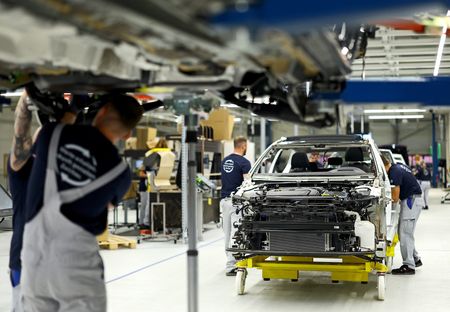
BERLIN, Oct 29 (Reuters) - Greater flexibility in collective wage agreements can strengthen competitiveness and protect jobs, but only if workers retain effective safeguards, according to a study by the Rockwool Foundation Berlin seen by Reuters on Thursday.
• Germany expanded clauses allowing firms - with employee representatives' consent - to depart from sector-wide agreements on pay, hours and other terms from the mid-1990s.
• The share of manufacturing agreements containing such provisions rose from less than 5% in 1995 to around 60% by 2004.
• "Wage restraint resulting from increased flexibility already contributed to Germany's improved competitiveness after 1995," says co-author Christian Dustmann, director of RFBerlin.
• In Italy, a more rigid bargaining system encouraged some companies to leave employer associations or sign agreements with smaller unions. That reduced wages by between 2% and 3% and lifted the likelihood of workers staying employed by 3 to 4 percentage points.
• There were regional differences: in the more productive north, the fall in wages went hand in hand with greater employment stability. In the south, where employers have greater market power, the wage losses were greater – without any gain in job security.
• “The challenge, therefore, is not simply to make wage-setting more flexible, but to combine this with effective wage protection for workers,” said Dustmann.
(Reporting by Maria MartinezEditing by Linda Pasquini)
Find it fast
Looking for more insights? Explore our other news sections for updates on sustainable finance, companies and financial education