UK finance minister reverses cuts to tax-free cash savings allowance
By Kirstin Ridley
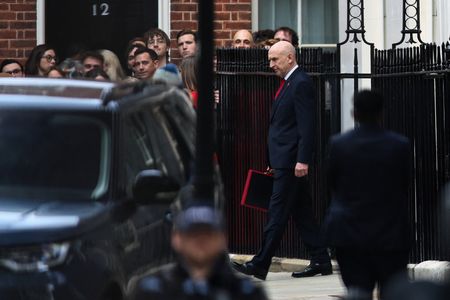
LONDON, Oct 28 (Reuters) - British finance minister John Healey on Wednesday reversed plans to slash the amount that people can put into tax-free cash savings accounts, instead promising to find other ways to incentivise individuals to invest in stocks and shares.
The move by Healey is a boon for banks and building societies, because investments in cash Individual Savings Accounts (ISA) are stickier and can help fund mortgage lending.
Former finance minister Rachel Reeves had planned to cut the annual cash ISA limit to £12,000 from £20,000 for under-65s from next year in an effort to funnel more money into Britain's stock market and drive economic growth.
Some in Britain's fund management industry say the tax allowances discourage the buying of shares, citing a report showing Britain has the lowest rate of consumer stock market investment among the G7 group of developed nations.
In his maiden budget speech, Healey told parliament that the annual, tax-free limit for cash ISAs would remain at £20,000 ($26,570) for all investors.
"We welcome moves to keep the ISA regime as simple as possible, as an important part of getting people saving and investing," said Chris Hayward, policy chairman of the City of London Corporation. "The focus now should be on giving people the information, guidance and confidence they need to make informed investment decisions."
Healey also said the government would explore with industry how to encourage first-time investors in stocks and shares through a new 'Starter' ISA, drawing criticism from some experts for introducing more complexity into investment products.
The government also announced plans to raise the rate of tax on savings and property income by another two percentage points from April 2027, saying that around half of the revenue raised would come from the wealthiest 10% of households.
Tax on savings income will rise to 24%, 44% or 49%, at the basic, higher or additional rate, raising an estimated £590 million in 2031-32, the government said.
($1 = 0.7527 pounds)
(Reporting by Kirstin Ridley; Editing by Tommy Reggiori Wilkes)
Find it fast
Looking for more insights? Explore our other news sections for updates on sustainable finance, companies and financial education