Oil climbs as Mideast conflict, tanker attacks persist
By Florence Tan
SINGAPORE, Oct 12 (Reuters) - Oil prices extended gains on Monday as the Middle East conflict escalated after Yemen's Iran-backed Houthis stepped up strikes on Saudi Arabia while two tankers were attacked over the weekend, raising concerns about oil supply from the region.
Brent crude futures rose 76 cents, or 0.73%, to $105.48 a barrel by 2304 GMT while US West Texas Intermediate crude was at $92.44 a barrel, up 59 cents, or 0.64%.
Houthis claimed responsibility for a Saturday strike on Riyadh's international airport that killed 13 people and wounded more than 300, while Saudi authorities reported that people were injured in a new attack on the airport on Sunday.
US President Donald Trump said on Saturday the United States was considering joining Saudi strikes on the Houthis in the conflict, a spillover from the wider war with Iran that the US and Israel launched in February.
The president also unexpectedly announced on Sunday that Ukraine and Russia had agreed to an energy ceasefire following an announcement on Friday of a diesel supply deal with Russia.
In addition, more attacks on tankers sailing through the Strait of Hormuz have been reported so far this month, threatening to dampen a recovery in Middle East crude exports seen in September.
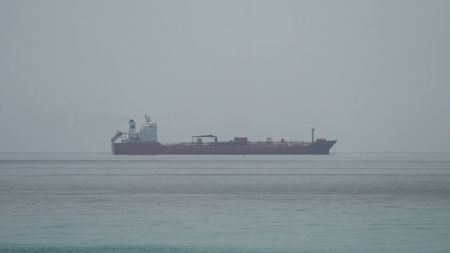
A tanker was struck by a drone in the vicinity of Sohar anchorage, Oman, while another was damaged by an unknown projectile while transiting the Strait of Hormuz, the United Kingdom Maritime Trade Operations reported over the weekend.
Goldman Sachs raised its Brent crude price forecast for December to $90 a barrel, up from $85 previously, its analysts led by Daan Struyven said in a note.
"We maintain our base case that continued adaptation of Mideast supply will eventually reduce crude oil prices, while potential renewed escalation still poses significant net upside risk," the analysts said, estimating a risk premium of just over $20 a barrel.
"We forecast WTI prices, which are unusually low vs. Brent because of high US-Europe shipping costs, to average $81 in Dec26 and $73 in 2027," they added.
In the Gulf of Mexico, energy majors Shell, Chevron and BP were seeking to redeploy personnel and restore production at their platforms after Hurricane Isaias made landfall early on Saturday.
(Reporting by Florence Tan; editing by Lincoln Feast.)
Find it fast
Looking for more insights? Explore our other news sections for updates on sustainable finance, companies and financial education