Price pressures may linger due to damaged energy assets, ECB's Makhlouf says
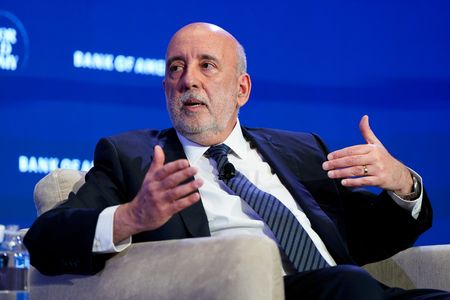
DUBLIN, June 16 (Reuters) - An interim deal to end the Middle East conflict will not necessarily bring an immediate end to the global energy shock, with damage to energy infrastructure potentially causing lingering price pressures, European Central Bank Governing Council member Gabriel Makhlouf said on Tuesday.
The ECB raised interest rates for the first time in nearly three years last week and left the door open to more tightening to prevent a surge in fuel costs caused by the Iran war from spreading to other prices.
While the preliminary agreement struck by the U.S. and Iran three days after the ECB's decision was "welcome", much remains unclear, Makhlouf said.
"Let me be clear: an end to the conflict does not necessarily mean an immediate end to the shock," Makhlouf, Ireland's recently re-appointed central bank chief, said in a speech.
"It remains to be seen how quickly supply chains normalise and energy prices adjust. The direct price pressures might not fade so quickly if the infrastructure damage from the war means production only recovers with a lag."
Makhlouf added that there also remained little clarity on the proposed reopening of the Strait of Hormuz, which Iran has effectively blocked since the U.S. and Israel attacked Iran in February.
The ECB's Chief Economist Philip Lane said in an interview at the Reuters NEXT Europe conference on Tuesday that the bank would continue to be "proactive" in its fight against high inflation even after the deal brought down energy prices.
Investors are betting on at least one more ECB rate hike this year, most likely in September or October, with the slight risk of a further move in winter. The deposit rate is currently at 2.25%.
(Reporting by Padraic HalpinEditing by Gareth Jones)
Find it fast
Looking for more insights? Explore our other news sections for updates on sustainable finance, companies and financial education