AB Foods' Primark split hinges on sales recovery, sugar turnaround
By James Davey
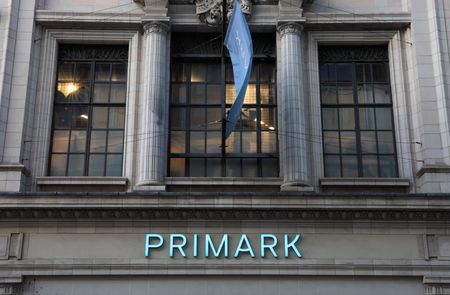
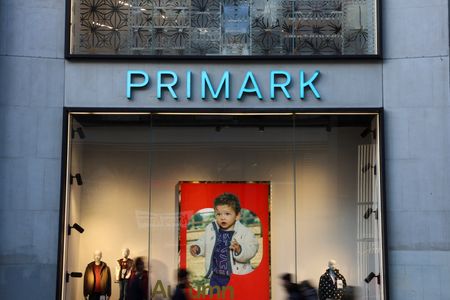
LONDON, Oct 29 (Reuters) - Associated British Foods says spinning off its budget fashion arm Primark in the FTSE 100's largest ever retail demerger will sharpen management focus and improve governance. Whether it unlocks value for shareholders is much less certain.
The separation, announced in April, will dismantle one of the last major conglomerates on Britain's stock market, splitting a fast-fashion retailer from businesses spanning sugar, tea, yeast and animal feed.
It comes amid a broader shift away from diversified consumer groups as investors increasingly favour simpler, more focused companies. Recent examples include Unilever's moves to split off its ice cream and foods businesses.
The separation will end six decades of Primark ownership, during which AB Foods built the chain from a single Dublin store into a retailer with 511 shops across 21 markets. Primark now generates about half of group revenue and two-thirds of adjusted operating profit.
But the demerger comes at a difficult time. Primark is battling slowing sales growth and intensifying competition from China's Shein and Temu, while analysts expect AB Foods' sugar division to remain loss-making for at least another two years.
Reuters interviews with investors, analysts and people familiar with the board's thinking suggest the split alone is unlikely to trigger a major re-rating of the stock. Investors want Primark growing again and sugar back in profit.
The remaining AB Foods will comprise grocery brands including Twinings, Ovaltine, Ryvita and Jordans, alongside ingredients, agriculture and sugar.
VALUATION GAP
AB Foods' share price highlights the pressure for change. The stock is down about 15% over the last year and more than a fifth over the past decade, compared with a gain of more than 50% in the FTSE 100.
At 13.5 times forward earnings, AB Foods trades at a discount of about 23% to clothing peer Next and roughly 40% to Inditex and H&M.
Analysts say the mix of retail, sugar and food businesses has contributed to a conglomerate discount that management hopes the split will eliminate.
David Samra, managing director of Artisan Partners, AB Foods' second-largest shareholder with a stake of about 5%, said better Primark sales growth and a return to profit in sugar would matter more than the demerger itself.
"If you get those two things, you're going to have a very good outcome," he told Reuters.
Far from undermining the case for a demerger, he views AB Foods' problems as the rationale for it.
"AB Foods' issues aren't ones that are standing in the way of this separation happening, they're issues that are the reasons why this is happening."
The group, with a market value of £13.9 billion ($18.5 billion) says the separation will improve board oversight, sharpen each company's investment case and allow shareholders to choose between Primark and what will become the FTSE 100's only pure-play food producer.
Wittington Investments Limited, the Weston family vehicle that is AB Foods' largest investor with about 60% of the equity, says it supports the demerger and has committed to maintaining majority ownership of both businesses.
THE REAL TEST
At Primark the task ahead is clear.
It reported flat UK like-for-like sales in its fourth quarter to mid-September, a steeper decline in continental Europe and slower US growth. Its adjusted operating profit margin also fell nearly 2 percentage points in 2025/26.
Jefferies regards Primark as "among the most disadvantageously positioned clothing retailers", in part due to pressure on its low-income customers and the time needed to build a home-delivery business. It forecasts negative like-for-like sales in 2027 and rising cost pressures the following year.
Last month, AB Foods CEO George Weston said lower prices and increased marketing at Primark were gaining traction in the UK, particularly in womenswear. But finance chief Joana Edwards cautioned against expecting a quick return to like-for-like sales growth in mainland Europe given weak consumer confidence.
Management also says it has yet to see a benefit from the European Union's removal of customs exemptions used by low-cost online retailers such as Shein and Temu. Britain is expected to follow in 2028.
Weston has said Primark's planned move into UK home delivery, a strategy the retailer long resisted, will generate profitable incremental sales. He has not said whether the service will launch before the demerger, expected to complete in December 2027. Some analysts worry it could cannibalise store sales.
SUGAR DRAG
If Primark's challenge is restoring sales growth, the test for the remaining AB Foods is returning sugar to profit and delivering the steadier earnings profile management promises.
The company has forecast adjusted operating losses for sugar of up to £60 million in 2025/26 and up to £170 million in 2026/27.
While management says a recent recovery in sugar prices should support earnings, analysts still expect the division to remain loss-making in 2027/28, with energy costs, weather-related disruption and currency volatility clouding the outlook.
A person familiar with the board's thinking said patience would be needed.
"No one is expecting share prices to pop on the day of demerger or for there to be significant re-ratings. That comes with time and proven track records," they said.
($1 = 0.7505 pounds)
(Reporting by James Davey. Editing by Kate Holton and Mark Potter)
Find it fast
Looking for more insights? Explore our other news sections for updates on sustainable finance, companies and financial education