EU to delay methane emissions rules for one year and no more, energy chief says
By Kate Abnett
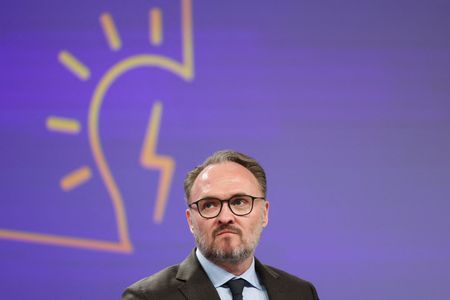
BRUSSELS, Oct 6 (Reuters) - The European Union plans to delay methane emissions rules for oil and gas imports by one year, but no longer than that despite calls from some member states for a bigger reprieve, EU energy commissioner Dan Jorgensen said on Tuesday.
The rules, due to take effect on January 1, 2027, would require foreign oil and gas suppliers to the EU to monitor and report methane emissions, a potent greenhouse gas. Jorgensen said the European Commission was considering a one-year delay.
Methane is the second-largest contributor to climate change, after carbon dioxide. The EU's methane law, the first of its kind globally, was designed to tackle those emissions, but has faced growing political pressure after the Iran war disrupted global energy supplies and heightened concerns about fuel availability this winter.
"I have decided to ask my services to look into the possibility of the postponement of the different rules that relate to the import part of this regulation," Jorgensen told the European Parliament.
"We do not foresee this to be more than one year," he said, adding that EU governments would be expected to ensure they are ready to enforce the rules once the delay ends.
SUPPLY WORRIES
The Commission has not confirmed when it will propose changes to the law, although some EU officials expect this to happen next week. Any changes would need approval from both EU member states and the European Parliament before taking effect.
French President Emmanuel Macron last month called for a one-year delay, arguing the rules could create legal risks for importers as energy supplies tighten.
Around a dozen other EU countries, along with the US, Europe's biggest supplier of liquefied natural gas, have urged the bloc to pause or roll back the law. Some, including Czechia and Italy, have called for a three-year delay.
Supporters of a postponement argue that companies are not ready to comply and could divert LNG cargoes away from Europe to avoid the risk of penalties.
However, some EU officials told Reuters it had proved difficult to assess whether the rules were affecting oil and gas contracts because details of those agreements are generally not public.
(Reporting by Kate Abnett. Editing by Mark Potter)
Find it fast
Looking for more insights? Explore our other news sections for updates on sustainable finance, companies and financial education