BASF says plant utilization rates at Ludwigshafen site have improved
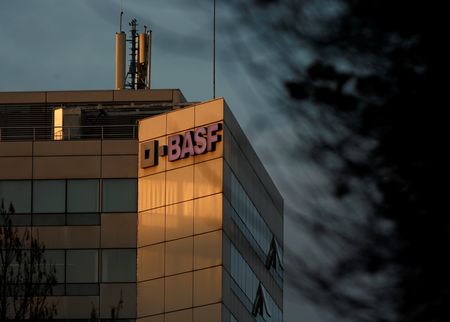
Frankfurt, July 29 (Reuters) - German chemical maker BASF said on Wednesday that plant utilization rates at its largest chemical complex in Ludwigshafen have improved because of supply disruptions caused by the Middle East conflict.
Tighter supply conditions linked to the war in Iran, with major disruptions at the vital Strait of Hormuz shipping lane, have supported pricing and provided some breathing room for Europe's chemicals sector.
BASF's Asian rivals have been hobbled by a blocked Strait of Hormuz. But that is offering only a temporary respite from years of weak European demand, global overcapacity and growing competition from Asia.
Following several quarters of restructuring and cutbacks at BASF, the group said that full-time staff numbers at its chemical complex in Ludwigshafen have dropped below 30,000 for the first time since 1954.
BASF also confirmed recently published preliminary results on Wednesday.
In an unscheduled release earlier this month, the company raised its 2026 earnings outlook and reported better-than-expected results for the second quarter.
(Reporting by Patricia Weiss, Writing by Ludwig Burger, Editing by Linda Pasquini)
Find it fast
Looking for more insights? Explore our other news sections for updates on sustainable finance, companies and financial education